Skip to content
Scientific Solutions

Scientific Solutions

Solving Problems for Problem Solvers

  • Home
  • Blog
  • Register
  • Login
  • Shop
Shopping Cart 0
  • About
  • History
  • Terms
  • Contact
Scientific Solutions
Solving Problems for Problem Solvers

Ionic Testing

  • A NEW laboratory study – Heat vs Non-Heat in Ionic Testing.

    A NEW laboratory study – Heat vs Non-Heat in Ionic Testing.

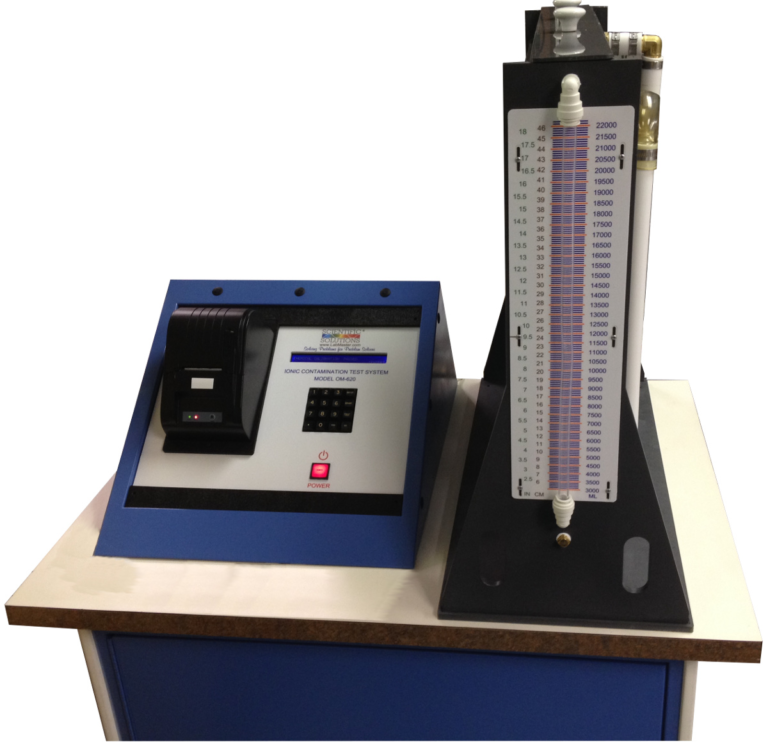
    In this paper, we discuss the difference between heating or not heating the Test Solvent when performing a test. The OM600R does not have the ability to heat. The OM600SMD doeshave heating as an option which can be selected by the operator if desired. 10.1 Is Heating Required by IPC-TM-650…
    Read More A NEW laboratory study – Heat vs Non-Heat in Ionic Testing.Continue

  • A laboratory study – Heat vs Non-Heat in Ionic Testing.

    A laboratory study – Heat vs Non-Heat in Ionic Testing.

    In this paper, we discuss the difference between heating or not heating the Test Solvent when performing a test. The OM600R does not have the ability to heat. The OM600SMD doeshave heating as an option which can be selected by the operator if desired. 10.1 Is Heating Required by IPC-TM-650…
    Read More A laboratory study – Heat vs Non-Heat in Ionic Testing.Continue

  • 2.3.25 IPC-TM-650 Ionic Cleanliness Testing

    2.3.25 IPC-TM-650 Ionic Cleanliness Testing

    This paper describes the test used to determine total ionic content extracted from the surface of printed circuit board for the purposes of process control. The manual method of beakers and flasks is first discussed, followed by an examination of an automated system using the “static” method of ionic extraction…

    Read More 2.3.25 IPC-TM-650 Ionic Cleanliness TestingContinue

  • Test Solvent Quality

    Test Solvent Quality

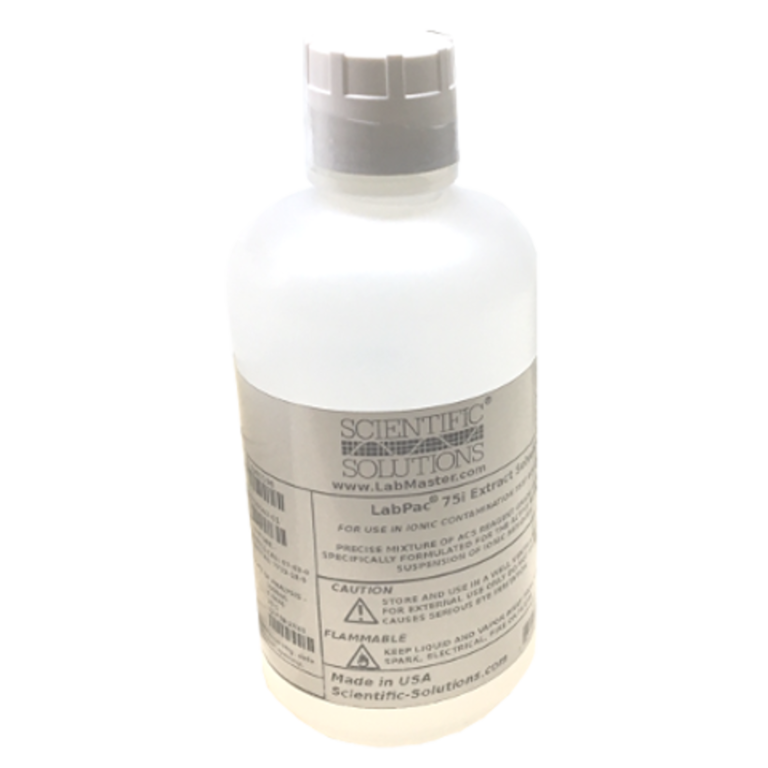
    The concentration of IPA in the Test Solvent will influence the test results. The Test Solventshould be 75 % IPA, +/- 3%. Because IPA will evaporate quicker than H2O, the concentrationof IPA will tend to decrease with time. This concentration should be checked, and if necessaryadjusted, periodically. Non-ionic contaminates such…

    Read More Test Solvent QualityContinue

  • Why Do Ionic Testing ?

    Why Do Ionic Testing ?

    The fabrication and assembly of printed circuit boards (pcbs) includes many processes that introduce corrosive ionic materials to the pcb. There are many sources of these ionic contaminants, but most are attributed to chemical etchants and cleaners, plating solutions and solder flux. Ionic contamination can cause corrosion and dendrite growth…

    Read More Why Do Ionic Testing ?Continue

  • What is the ROSE Test?

    What is the ROSE Test?

    The Resistivity Of Solvent Extract (ROSE) test is a test for the presence and average concentration of soluble ionic contaminants. The process uses an extracting “Test Solvent” of 75 percent by volume of ACS reagent grade IsoPropyl alcohol (IPA) and 25% by volume of De-Ionized water (D-H2O). The alcohol is…

    Read More What is the ROSE Test?Continue

  • HomePrintedCircuitBoardV02

    Over Cleaning Causes Measurement Errors

    The operator should should stay with the system and monitor the display during the clean cycle. Once the cleaning is complete, the operator should stop the cleaning process. The operator needs to avoid “over-cleaning” the Test Solvent. The resistivity probe has a measurement limit of about 60.35 Mohm-cm, whereas the…

    Read More Over Cleaning Causes Measurement ErrorsContinue

© 2025 Scientific Solutions  Inc. ALL RIGHTS RESERVED

  • Home
  • Blog
  • Register
  • Login
  • Shop
Shopping Cart 0
Search